BitMEX, the exchange that made extreme-leverage perpetual swaps a mainstream crypto product, is no longer operating. If you have a balance, an open position, or even a dormant login on BitMEX, keep reading — if you've never touched the platform, this one isn't for you.
In short
- BitMEX, credited with popularizing extreme-leverage perpetual futures, has shut down, according to a Decrypt report.
- Anyone with an open balance or position should check account access and attempt a withdrawal without delay.
- BitMEX had already restricted service in Seychelles, Bermuda, Hong Kong SAR, Canada, Myanmar before the shutdown, so those users had limited access to begin with.
- No confirmed figures exist yet for refund timelines, fee waivers, or wind-down mechanics beyond the closure itself.
- Traders relocating funds should compare verification tiers and withdrawal methods on other platforms before committing money.
Key facts
| BitMEX | |
|---|---|
| Fees | — |
| Limits | — |
| Deposit methods | Deposit methods: On-chain cryptocurrency transfers; Buy Crypto via third-party (credit cards, bank transfer) |
| Country availability | Restricted countries: Seychelles, Bermuda, Hong Kong SAR, Canada, Myanmar |
What changed
BitMEX built its entire identity around one product: perpetual swaps with leverage far beyond what regulated derivatives desks typically allow. It didn't invent margin trading, but it packaged high-leverage perpetuals into a retail-friendly interface that competitors spent years copying — and, in several cases, later scaled back.
According to a report from Decrypt, that platform is now closed. The headline is blunt: the exchange that made this style of trading mainstream is done operating. That is the confirmed fact here, and it's the only one I'm treating as settled.
What I'm not doing is filling gaps with guesses. I don't have confirmed numbers on wind-down timelines, refund mechanics, or whether any fees are being waived during the shutdown. When a platform closes, those details usually surface in stages — a status page update, then a support email, then maybe a formal notice. Until those are published with real figures attached, I'm not going to attach numbers to them just to make this piece feel more complete.
What matters for readers right now isn't the backstory of how BitMEX got here. It's the operational reality: the exchange most associated with extreme-leverage trading no longer exists as a functioning venue. That changes where liquidity for this kind of product goes next, and it changes what anyone with money still sitting there needs to do today, not next month.
Why this is different from a routine outage
A platform going offline for maintenance is not the same as a platform closing. Maintenance windows resolve. Closures don't. If you've dealt with a temporary access problem before, the playbook is different — worth comparing against what exchange outages mean for you if you want the contrast. This is not that situation.
Takeaway: BitMEX, the exchange synonymous with extreme leverage, has stopped operating — the details of how are still emerging, but the closure itself is confirmed.
Who is affected
Three groups need to pay attention here, and they're not all in the same position.
| Group | What's at stake |
|---|---|
| Active account holders with a balance | Direct exposure — funds sitting on a platform that no longer operates as normal need immediate attention |
| Traders with open positions | Position handling during a shutdown can differ from simple balance withdrawals; check status directly, don't assume |
| Users in restricted markets | Already barred from full service in Seychelles, Bermuda, Hong Kong SAR, Canada, Myanmar; a shutdown removes whatever partial access path remained |
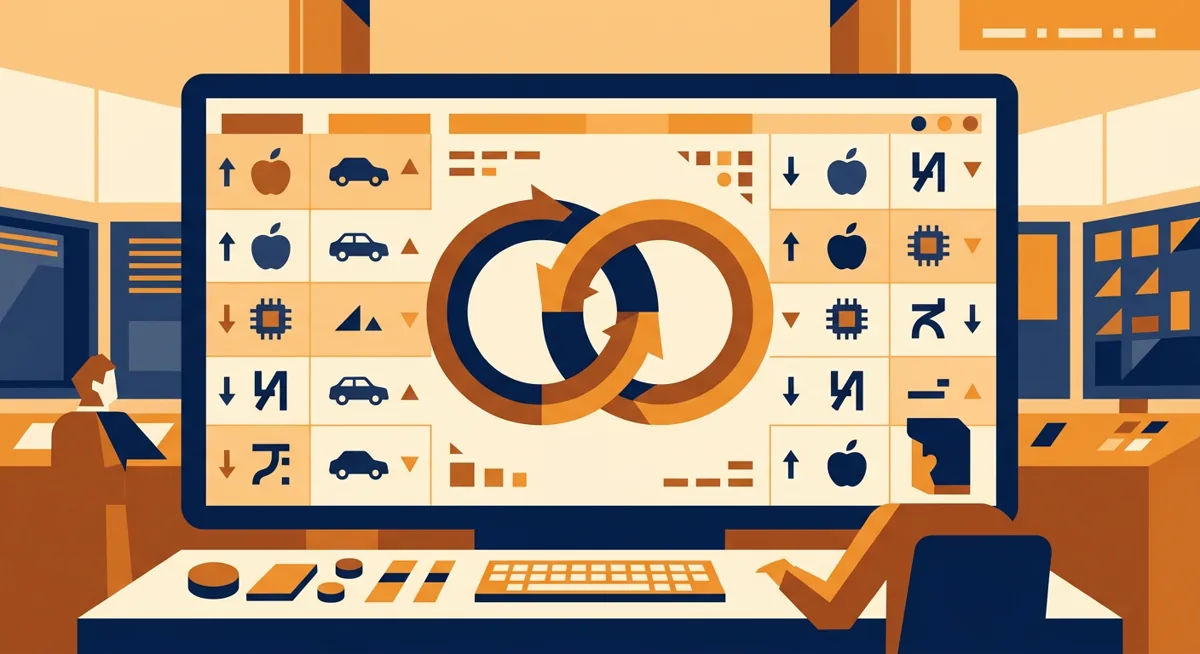
Anyone who never opened a BitMEX account isn't directly affected by the closure itself. But there's a secondary group worth mentioning: traders who used BitMEX specifically for its leverage products and now need somewhere else to go. That's a real gap in the market, and it's part of why other platforms have been building adjacent products — Coinbase, for instance, has filed for single-stock perps on Apple, Tesla, and Nvidia, a different structure but aimed at some of the same appetite for leveraged exposure.
It's also worth noting that exchange closures tend to draw regulatory attention, even after the fact. Separately, other major platforms have faced their own compliance scrutiny — see the ongoing look into Binance's Iran compliance from the Manhattan US Attorney's office as an example of how these investigations can run in parallel with operational changes at an exchange. That's not a claim that BitMEX's situation and Binance's situation are related; they're not, as far as anything here confirms. It's a reminder that closures and investigations both move slowly, and both produce a stream of updates that are easy to conflate if you're not tracking sources carefully.
Takeaway: if you had money or a position on BitMEX, you're affected directly; if you were relying on it for leverage products specifically, you're affected indirectly and need a new venue.
What to do next
Don't wait for a follow-up notice before acting on the basics. Here's the order I'd work through it in.
- Log in and check account status. Confirm whether your balance is visible and whether withdrawal options are still functioning. Don't assume access will still be there tomorrow.
- Attempt a withdrawal now, not later. If withdrawals are processing, move funds to a wallet or another exchange you control. Delaying this step during any shutdown is the single most common mistake people make.
- Document everything. Screenshot balances, transaction history, and any account notices before they potentially disappear. You may need these records for tax reporting regardless of what happens next.
- Check position status separately from balance status. Open positions can behave differently than idle balances during a wind-down. Don't assume a balance check tells you everything about an open trade.
- If you were accessing BitMEX from a restricted market, note that service in Seychelles, Bermuda, Hong Kong SAR, Canada, Myanmar was already limited before this closure — any access you had may not have been through an authorized channel to begin with, which matters if you're trying to escalate a support request.
- Watch for scams. Exchange closures attract fake "recovery agents" and phishing emails claiming to help retrieve funds for a fee. Legitimate platforms don't ask for your private keys or seed phrase to process a withdrawal.
- If you're moving funds to a new platform, compare fee schedules, verification tiers, and withdrawal limits before committing. It's worth reading through a direct fee and limit comparison between Coinbase and Binance as a starting point for what to check on any replacement venue — deposit methods, KYC tiers, and daily withdrawal caps vary more than people expect.
A short checklist before you pick a replacement
- Does the new platform support your country without restrictions?
- What's the verification tier required before you can withdraw at the size you trade?
- What deposit and withdrawal methods are available, and what do they cost?
- Does the platform publish its fee schedule clearly, or do you have to dig for it?
None of these questions have a universal answer — they depend on the platform and your country. But asking them before moving money is cheaper than finding out the answer after a withdrawal gets stuck.
Takeaway: withdraw first, document everything, and vet any replacement platform's fees and limits before you move a balance over.
References
| # | Source | Reliability | Checked |
|---|---|---|---|
| 1 | bitmex.com — Deposit methods | Official source | 2026-09-25 |
| 2 | bitmex.com — Restricted countries | Official source | 2026-09-25 |