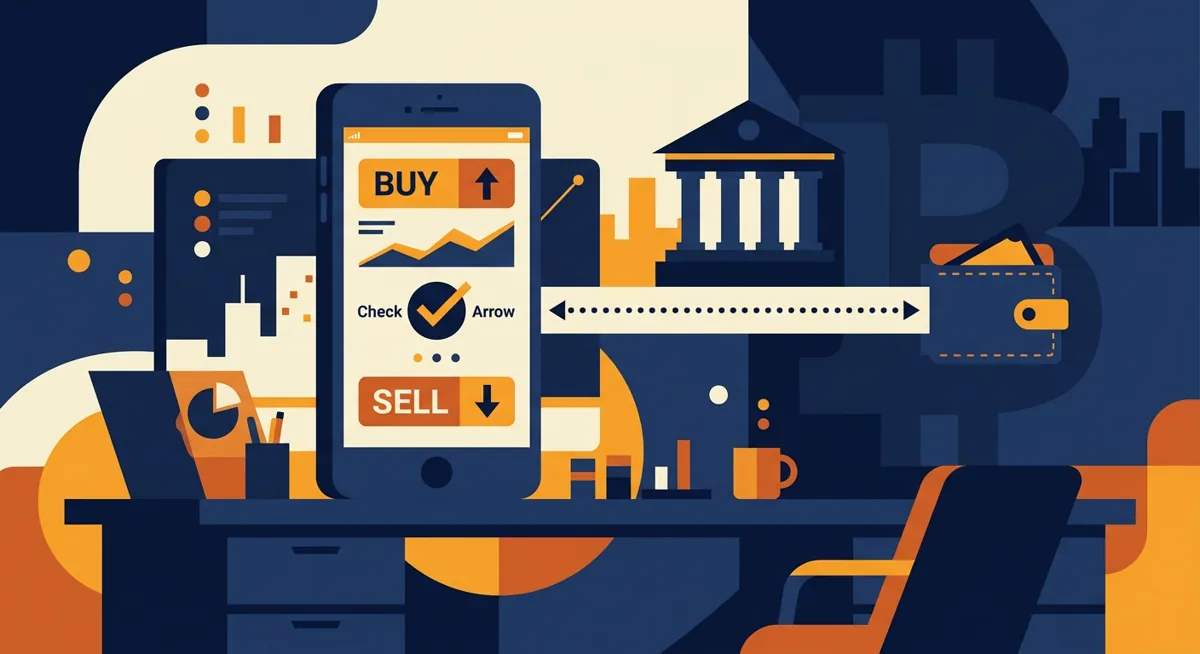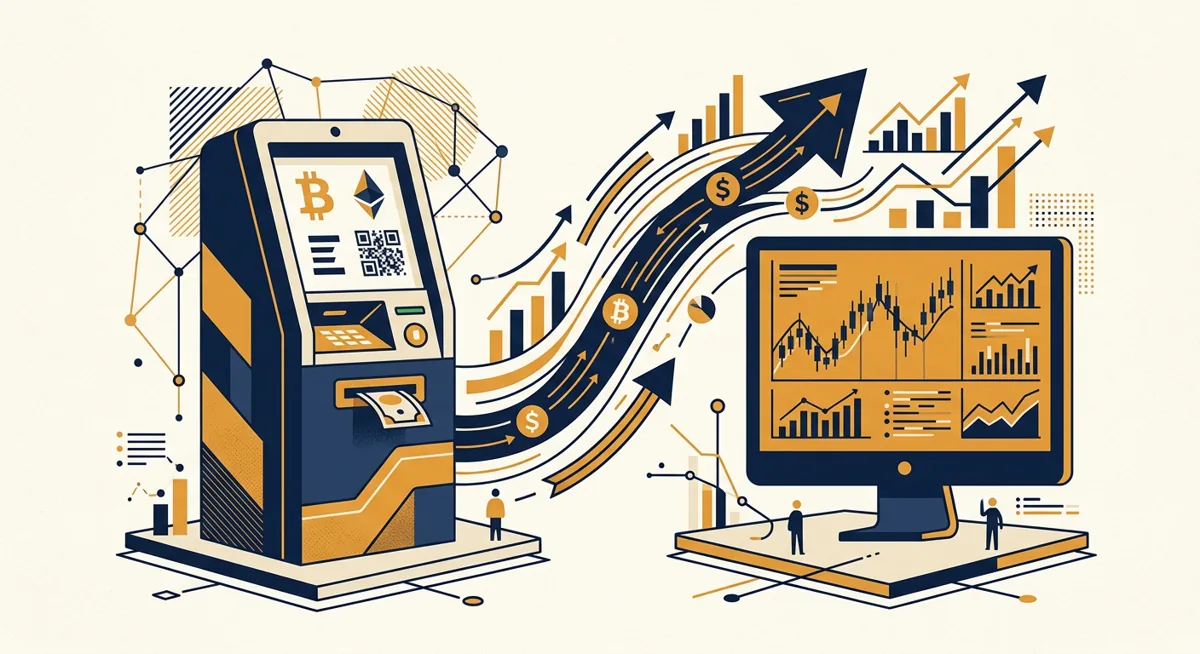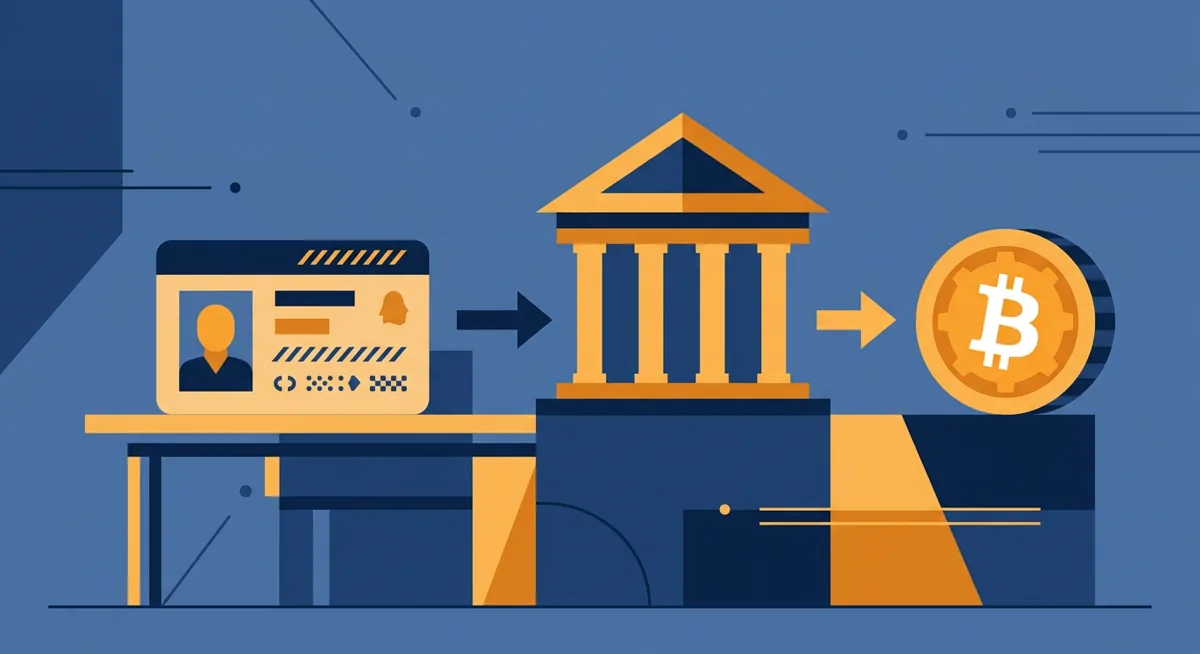
Buying Bitcoin on a centralized exchange is primarily an identity verification process, not a trading transaction. Read this article if you’ve never bought cryptocurrency before, if you’re switching exchanges, or if you consistently run into problems when funding your account.
In short
- Buying bitcoin requires identity verification before any money moves, regardless of which exchange or on-ramp you pick.
- Bank transfers are generally the cheapest deposit method; cards and instant transfers cost more but settle faster.
- Coinbase caps withdrawals at €100,000 per day, which matters if you're moving larger sums off the platform.
- Most first-purchase failures trace back to mismatched personal details or a payment method the bank itself blocks for crypto.
- Comparing fee schedules before depositing saves more money than timing the market ever will.
Key facts
| Coinbase | |
|---|---|
| Fees | — |
| Limits | Daily withdrawal limit: €100,000 per day |
| Deposit methods | — |
| Country availability | — |
What you need before you start
You cannot skip the verification step. Every regulated exchange and account funding service must verify your identity before you can fund your account, so please prepare the following documents first:
- A government-issued photo ID (a passport or driver's license is accepted almost everywhere)
- A phone number for two-factor authentication
- An email address that you actually check
- A bank account or card in your name that matches the name on your ID
- An approximate amount you plan to deposit, as some verification levels unlock higher limits
If you're not sure which exchange is right for your country or type of document, comparing verification limits at] is faster than signing up for three platforms just to find out.
Brief summary: It is the verification process that serves as the true “guardian,” not the purchase itself.
Steps to buy bitcoin
- Choose a platform. Centralized exchanges, such as Coinbase, and on-ramp apps differ mainly in their deposit methods and fee structures. The step-by-step guide to funding your account at] describes the general process if you’re making your first purchase on any platform.
- Create an account. Use an email address you control, and set up two-factor authentication immediately before funding your account.
- Verify your identity. Upload an ID, verify your address, and, in some cases, take a selfie. This step determines your deposit and withdrawal limits.
- Add a payment method. Bank transfer, debit card, or linked external account. Each has its own fees and processing times, which are described below.
- Deposit fiat currency into your account. Wait for the funds to be credited. Instant methods show funds faster but often cost more per transaction.
- Place a buy order. Market orders are filled immediately at the current price; limit orders wait for the price you specify.
- Decide where to store your Bitcoin. Leave it on the exchange for convenience or withdraw it to a personal wallet. For details about Coinbase, see the guide to buying Bitcoin on Coinbase.
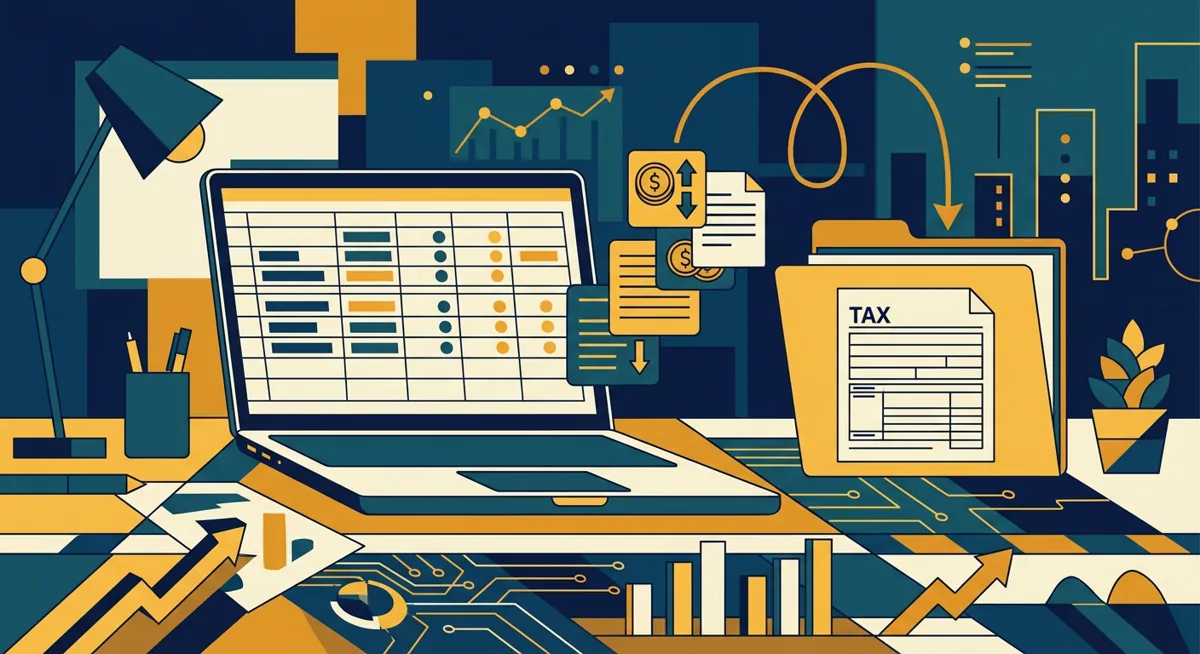
- Keep records. Save your transaction receipts; you’ll need them when filing your tax return. The guide to exporting data for cryptocurrency tax purposes explains which reports you need to generate.
Brief summary: A purchase is made with a single click; all that comes before it is setup, and all that comes after it is record-keeping.
Fees and limits to expect
Exchanges rarely publish one simple fee. There's a spread between the buy and sell price, a separate transaction fee, and sometimes a flat charge layered on top. The deposit method changes the math again.
| Deposit method | Typical speed | Typical cost tier | Notes |
|---|---|---|---|
| Bank transfer (ACH/SEPA) | Slower, often a few business days | Lower | Usually the cheapest way to fund an account |
| Debit card | Instant | Higher | Convenience costs more; card networks and exchanges both take a cut |
| Credit card | Instant where allowed | Higher, sometimes blocked | Many banks flag or decline crypto purchases on credit lines; see the Cash App credit card guide for a case study |
| Linked external exchange/wallet | Fast | Varies | Fees depend on both platforms involved |
Withdrawal limits matter as much as deposit fees once you actually want your money or your bitcoin out. On Coinbase, the daily withdrawal limit sits at €100,000 per day. That's a ceiling you'll hit if you're moving a large lump sum in one day rather than a trickle.
For platform-specific fee breakdowns, the dedicated Coinbase fees and limits guide and the Binance setup and fees guide are worth comparing side by side before you commit funds to either.
One-line takeaway: the deposit method you pick changes your effective cost more than the exchange's advertised trading fee does.
Troubleshooting common problems
Verification stuck in review
This usually means a blurry ID photo or a name mismatch between your ID and your bank account. Resubmit with better lighting and double-check spelling matches exactly.
Card payment declined
Many card issuers block crypto purchases outright, independent of your balance or credit limit. Calling the bank to ask them to allow the transaction sometimes works; switching to a bank transfer always works.
Deposit shows pending for too long
Bank transfers settle on banking days, not calendar days. A deposit submitted Friday evening may not clear until the following week. This isn't a platform glitch; it's how the banking rails work.
Withdrawal rejected or capped
If you're trying to move more than your daily allowance, the platform will stop you rather than warn you first. Check the written limit for your verification tier before scheduling a large withdrawal, and remember that a limit like Coinbase's €100,000 per day daily cap resets on a daily cycle, not instantly after you hit it.
Order filled at a worse price than expected
Market orders execute at the best available price at that moment, which can move between when you click and when it fills, especially during volatile periods. A limit order avoids this but might not fill at all.
One-line takeaway: most buying problems are banking problems wearing a crypto costume.
Questions
Do I need a crypto wallet before I buy bitcoin?
No. By default, exchanges store your bitcoins in a custodial account. You'll only need a separate wallet if you plan to withdraw your funds and store them yourself.
Is a bank transfer always cheaper than a card for buying bitcoin?
Generally speaking, yes. Fees for bank transfers are usually lower than those for card payments, although they take longer to process—that’s the trade-off you’re making.
Why was my first deposit flagged for review?
New accounts and larger first deposits often get extra scrutiny. This is standard verification behavior, not a sign something went wrong.
Can I buy bitcoin without completing identity verification?
Not on the centralized exchanges discussed here. You must complete the verification process before making a fiat deposit or a purchase.
What happens if I exceed a daily withdrawal limit like Coinbase's?
Withdrawals are blocked until the next cycle. The daily withdrawal limit on Coinbase is €100,000 per day, so if necessary, plan large transfers over several days.
References
| # | Source | Reliability | Checked |
|---|---|---|---|
| 1 | help.coinbase.com — Daily withdrawal limit | Official source | 2026-09-18 |